Council Increases Scrutiny on Federal Law Enforcement Officers in Force/Death Cases
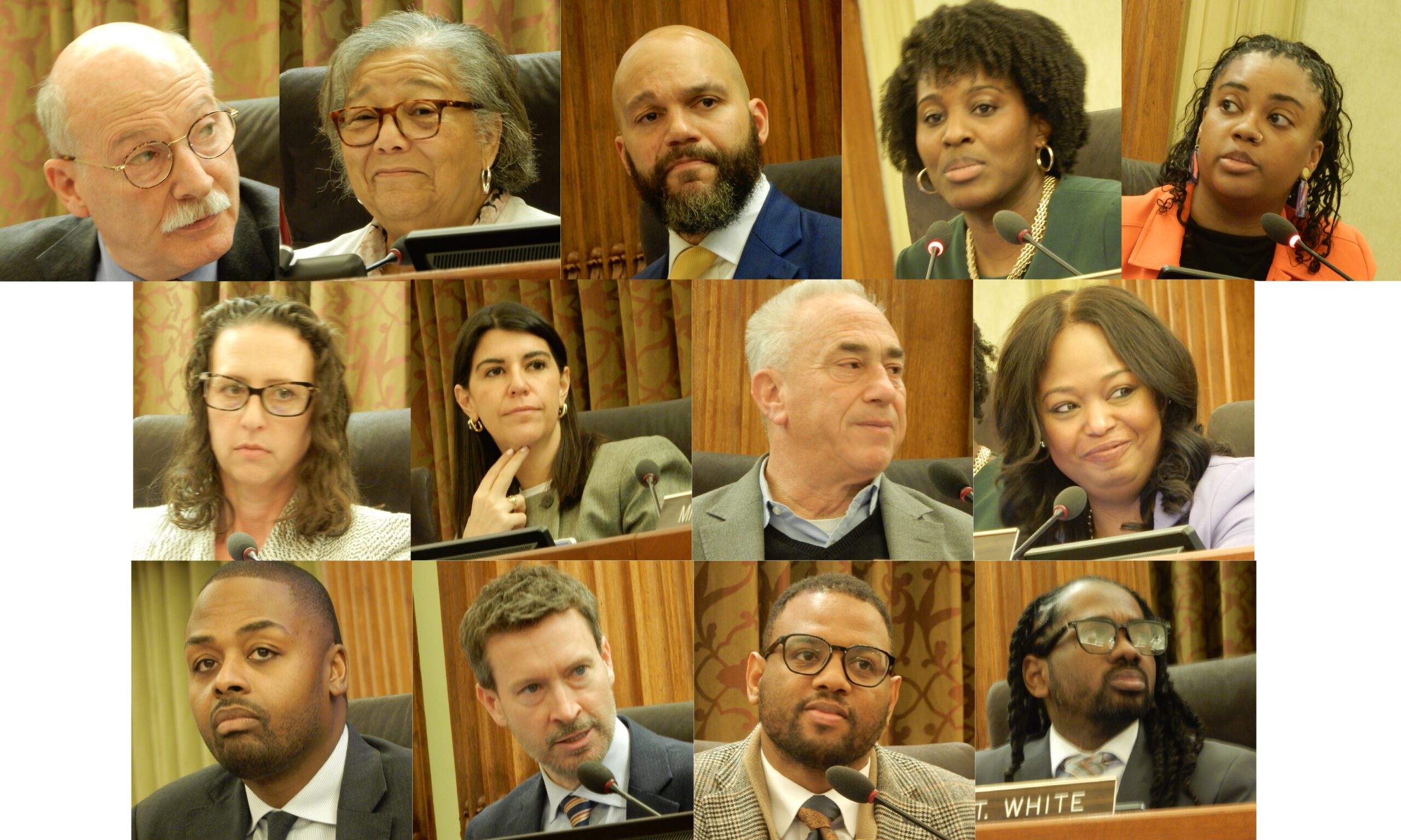
Through two actions taken at its most recent Legislative Meeting, the Council found a way to use existing District government resources to place tighter scrutiny on federal law enforcement officers operating here in the District, in cases of officer-involved deaths or serious use of force.
While no municipal government or police officials anywhere in the country can command federal law enforcement officers, District officials can be perceived as even more constrained due to the federal nature of our territory. However, with Metropolitan Police Department (MPD) officers under District command, a savvy inventory of resources the District government does have under our control—namely the officers’ presence on the scene, plus the digital eyes and ears these officers are required to have at hand—prove to be a critical resource.
Two symbiotic emergency bills seek to maximize the use of these existing, locally mandated and locally monitored surveillance measures when our local officers find themselves present in certain critical circumstances involving federal law enforcement officers.
The first bill addresses body-worn camera footage. Under current District law, the mayor must release body-worn camera footage in any case of an officer-involved death or serious use of force. Similarly, a list of names of involved officers must be released, in addition to a description of the incident. However, if MPD officers are present for an officer-involved death or serious use of force, but the perpetrator is a federal law enforcement officer, this same requirement does not apply.
Under the first measure passed at the most recent Legislative Meeting, the current DC body-worn camera law would be expanded to cover these same aforementioned acts, but when federal law enforcement officers were the perpetrators. As is the case with the current law as applied to MPD officers, for body-worn footage to be released in regards to incidents involving federal officers, the family of the victim (for officer-involved deaths) or victim (for serious use of force incidents) would need to consent in order for the footage to be released. The MPD database of body-worn camera footage would also be updated to include the names of federal law enforcement officers involved in officer-involved death cases, in addition to names of MPD officers as presently required by law. The bill applies retroactively to incidents dating as far back as August 1, 2025.
The second emergency bill passed at the most recent Legislative Meeting would require that MPD officers who are present when federal law enforcement officers engage in a serious use of force during an arrest fully document these incidents. The MPD officer would record the names, badge numbers, employing agency, and other identifying information regarding each present or participating federal officer, as well as the quantity of officers who refuse to identify themselves. Additionally, the details of the use of force would be required to be fully disclosed in the report.
In other action taken at the most recent Legislative Meeting:
- a ceremonial resolution was passed honoring the life and legacy of civil rights icon the Reverend Jesse Jackson, Sr.
- the first of two necessary votes was taken on a bill to eliminate the mandatory retirement age for Metropolitan Police Department and Fire and Emergency Medical Services employees, while ensuring continued ability to serve is maintained
- the first of two necessary votes was taken on a bill to increase childcare subsidies to grandparents and other close caregivers, annually adjusting them for inflation
- the first of two necessary votes was taken on a bill clarifying that a parent/guardian’s eligibility for/receipt of public benefits, as well as housing instability/homelessness cannot be used as the sole evidence of parental neglect
- the first of two necessary votes was taken on a bill limiting architects’ liability when sharing their expertise while serving as good samaritans at the request of local or federal government officials
- the first of two necessary votes was taken on a series of bills improving protections and services at the Department of Youth Rehabilitation Services and the Child and Family Services Agency
- the first of two necessary votes was taken on a bill to ceremonially rename a block of 13th Street, NW after legendary local ladies’ doo-wop group, The Jewels
- an emergency bill was passed reconfirming that all housing providers, for all rental accommodations, even those exempt from rent stabilization, must provide past/present rent amounts, as well as associated costs such as utilities, facilities, services, and appliances, for inclusion in the District’s RentRegistry database
- an emergency bill was passed clarifying that Catholic churches, whether titled under the name of the church or the Archdiocese of Washington, should not be required to pay property taxes
- the second of two necessary votes was taken on measures initially passed at the prior Legislative Meeting, including bills to maximize access to HIV/AIDS prevention drugs, rename an elementary school after a desegregation pioneer, expand DC laws protecting our most robust trees, and protecting consumers from seasonal price gouging
Due to a quirk of scheduling, the Council’s regular April Legislative Meeting will actually be held on Tuesday, March 31.