Council Wraps Up Budget Season with Second Vote on the Budget Support Act
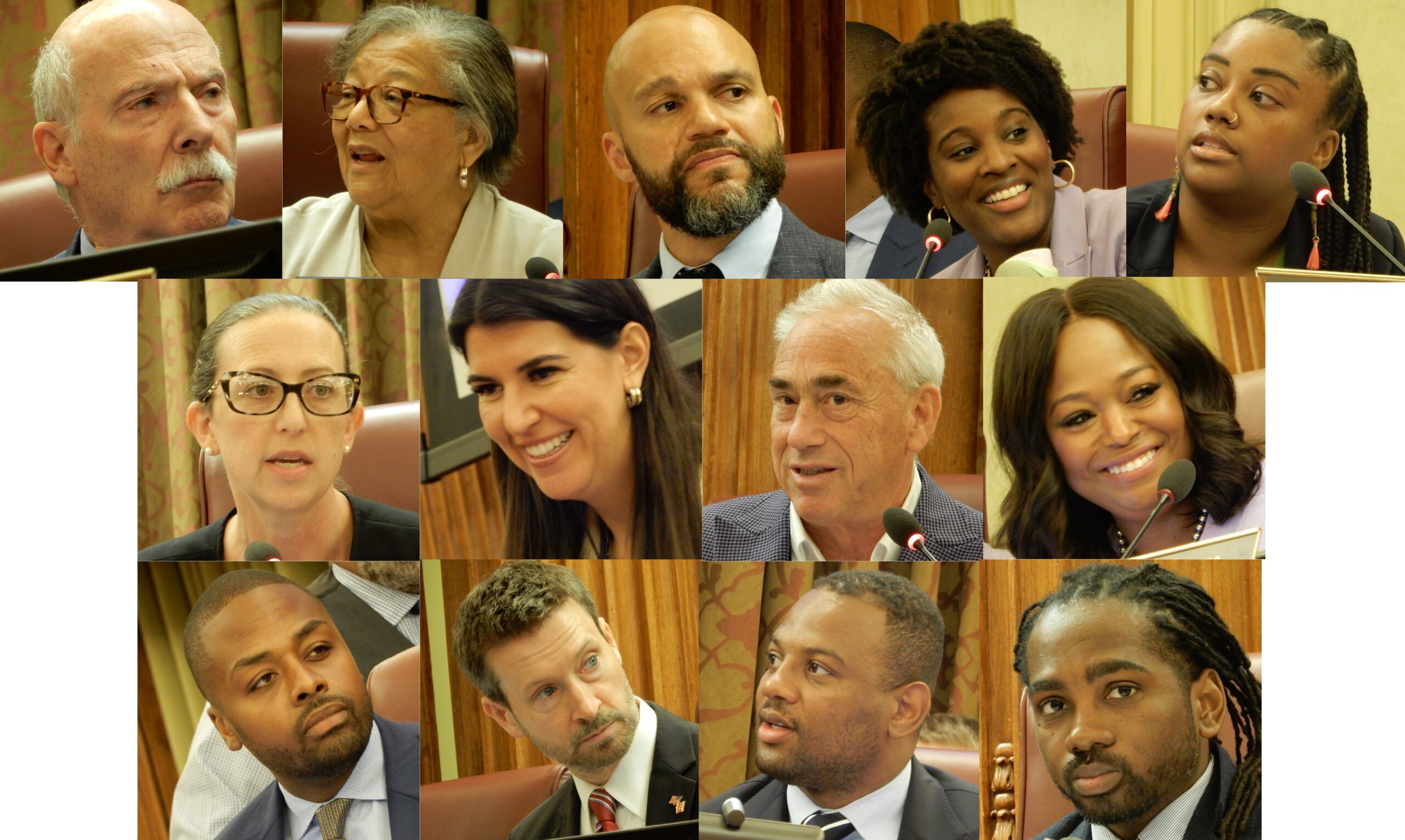
Calling the budget for the District government a “budget bill” is a classic rookie error to those new to observing the District budget process. The District’s budget is actually encompassed in many different pieces of legislation. The primary numerical piece, the Local Budget Act, includes the dollars and cents elements of the budget. The key, and often more juicy, element of the budget is the Budget Support Act (BSA) which encapsulates the legislative changes needed to implement the dollars-and-cents language in the Local Budget Act, plus other changes. Additional budget bills include the bill covering the (contrary to popular opinion outside the District) comparatively small portion that funds strictly federally-funded programs, and supplemental bills that provide increases in the District budget during the fiscal year already underway.
An additional complication of the District’s budget, and the legislative mosaic needed to put it into place, is the arcane process via which District legislation can only becomes permanent law after a passive thirty day layover for Congressional review. Because of this, the various permanent budget bills often must also be passed on an emergency (single two-thirds supermajority Council vote, 90 day applicability) and/or temporary (two Council votes, 225-day applicability) basis, with corresponding versions of each component of the budget also passed by the Council. Both financially and legislatively, the budget does indeed contain multitudes.
In terms of the conventional budget season, the final component of these multitudes crossed the finish line at the Council’s most recent Legislative Meeting. The Budget Support Act was passed in the second of two necessary votes, and was passed on an emergency basis as well. The bill was amended several times in small but subtle ways.
An Amendment in the Nature of a Substitute made a number of changes to the bill as first passed last month. Many of those were technical in nature, and are too numerous to delineate here. Others do merit separate description here. Among those changes:
- requires newly renovated DC Public Schools or DC Parks and Recreation facilities to include publicly accessible, rodent-resistant trash and recycling containers
- puts in place a succession plan in the case of a vacancy in the Inspector General role
- requires provision of an annual grant to fund the Martin Luther King, Jr. Holiday DC parade
- requires that District-funded improvements to the federal Rock Creek Tennis Center exclusively focus on bringing the facility up to tournament standards
- creates a dedicated tax fund to collect revenues from formerly tax-exempt federal properties, with collected funds used to fund infrastructure improvements, property acquisition, and tax abatements on redevelopment of these properties, with required submission to the Council by the mayor regarding proposed and past spending from the fund
In regards to other amendments, one extended discussion involved the use of dedicated revenues from a specialized parking project on the U Street commercial corridor. In the Greater U Street Performance Parking Zone, parking pricing is managed on a demand-driven basis, in an effort to enhance the neighborhood’s quality of life, optimize use of valuable but limited public parking spaces, reduce traffic, and promote travel by transit, bike, and on foot. In the version of the BSA voted on last month, this parking program was modified to create an automated curbside management system, to provide one-time funding for the startup of a place management organization (such as a Business Improvement District) plus ongoing annual funds for its operation, and to provide annual operating funds to the African American Civil War Museum. An effort at the most recent Legislative Meeting to further dedicate a portion of the parking funds to other organizations was not approved.
Other amendments to the BSA were also made prior to the Council’s second vote on the measure. Some of these may seem arcane, others may feel more weighty, but legislative tweaks like these are the essence of what keeps government operating efficiently.
These amendments included:
- sunsetting public inconvenience fees imposed on DC Water in Fiscal Year 2031
- exempting the Public Service Commission and Office of People’s Counsel from the mayor’s telework policies
- for a student attendance incentive project, modifying the criteria for which schools can participate by changing the minimum at-risk population from forty percent to sixty percent
- restoring the maximum duration of leave under DC’s Paid Family Leave program to the full prior amount, after the end of the current four-year fiscal plan
- maintaining the mayor’s ability to establish a government-wide telework policy, but making telework policies possible grounds for collective bargaining
- requiring periodic updates on the specifics of how District funds are being used for improvements on the federal Rock Creek Tennis Center, plus the logistical impacts of those projects on neighbors
- preserves current inclusionary zoning lease-up procedures
- standardizes definitions of Certified Business Enterprises across the legislation with existing definitions
The Council’s next Legislative Meeting will be held on July 14. It will be the final opportunity for the Council to take action on legislation prior to its summer work session. When Legislative Meetings are again held starting on September 22, that will kick off the legislative rush to conclude all Council business prior to the end of the year. Any legislation that has not fully progressed through the legislative process prior to year’s end will have to start over from scratch in 2027’s Council Period 27.